Beyond Pho: The Hearty Appeal of Bo Kho & Egg Noodles
While phở might be the undisputed monarch of Vietnamese cuisine in the global consciousness, there's a lesser-known, equally captivating dish that deserves a spotlight: bo kho Vietnamese beef stew with egg noodles. This rich, aromatic, and deeply satisfying stew offers a culinary journey far beyond the delicate nuances of pho, presenting a robust flavor profile that warms the soul and tantalizes the palate. If you're seeking a hearty, comforting meal that showcases the depth and diversity of Vietnamese cooking, look no further than this magnificent beef stew paired with springy egg noodles.
The Allure of Bo Kho: A Symphony of Flavors
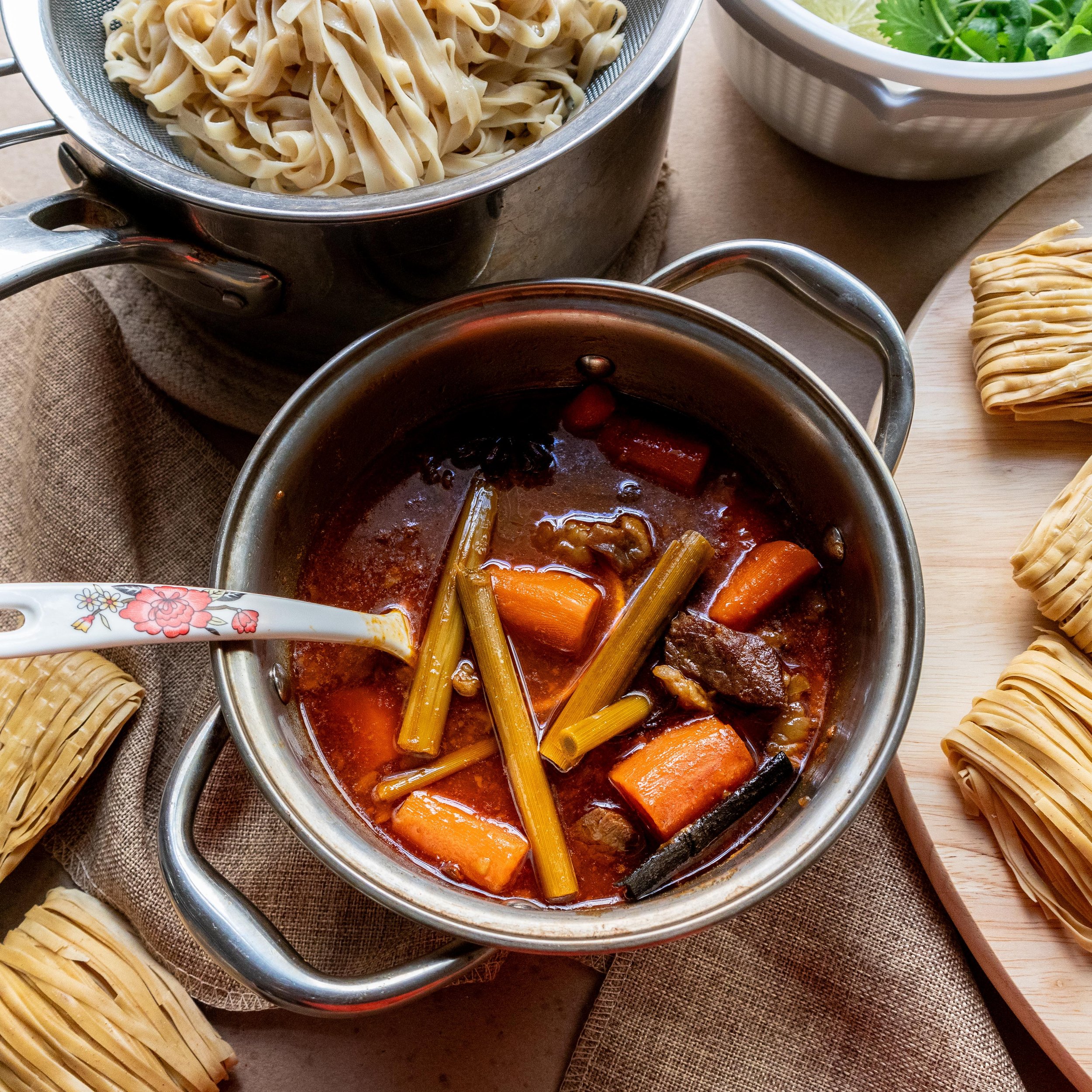
At its core, Bo Kho is a slow-cooked beef stew, but it's the masterful blend of ingredients that elevates it to an art form. Unlike its French beef bourguignon cousins, Bo Kho takes on distinctly Vietnamese characteristics through a unique spice blend and aromatics. The signature flavor profile is a harmonious interplay of savory, slightly sweet, and subtly spicy notes, with a beautiful earthy undertone. Key ingredients typically include:
- Tender Beef: Often chuck roast or flank steak, slow-braised until it literally melts in your mouth. The long cooking time breaks down tough fibers, creating an incredibly tender texture.
- Aromatic Spices: Star anise, cinnamon, cloves, and sometimes cardamom and five-spice powder contribute to the stew's intoxicating aroma and complex flavor. These spices are gently toasted to release their full potential.
- Umami Boosters: Fish sauce, tomato paste, and sometimes a touch of sugar or rock sugar deepen the savory notes and balance the acidity.
- Fresh Herbs & Vegetables: Lemongrass, ginger, garlic, shallots, carrots, and sometimes potatoes add layers of freshness, sweetness, and texture. The lemongrass, in particular, infuses the broth with a bright, citrusy perfume.
- Chili & Annatto Oil: A subtle hint of chili adds warmth without overwhelming, while annatto seeds provide the stew's characteristic rich, reddish-orange hue, making it as visually appealing as it is delicious.
The resulting broth is thick, savory, and incredibly fragrant – a liquid embrace that is both comforting and invigorating. It’s this intricate blend of spices and slow-cooking technique that makes Why Bo Kho with Egg Noodles is Your Must-Try Comfort Dish for many seeking warmth and flavor.
Why Egg Noodles Are the Perfect Partner for Bo Kho
While Bo Kho can be served with crusty bread (bánh mì) for dipping, or even rice, there's a special magic that happens when it's paired with egg noodles. The choice of egg noodles for this Your Ultimate Guide to Authentic Bo Kho with Egg Noodles is not arbitrary; it's a deliberate culinary decision that enhances the overall experience:
- Texture Contrast: The firm, springy texture of egg noodles provides a wonderful counterpoint to the tender, yielding beef and soft vegetables. Each bite offers a satisfying chew.
- Broth Absorption: Egg noodles, especially fresh ones, have a slight porosity that allows them to soak up the rich, aromatic broth beautifully. Every strand becomes infused with the stew's incredible flavor, ensuring no drop of the delicious liquid goes to waste.
- Heartiness Factor: For a truly substantial and filling meal, egg noodles are ideal. They add significant bulk and carbohydrate richness, turning the stew into a complete and deeply satisfying dish that sustains you.
- Comfort Food Appeal: The slurpable nature of noodles combined with a warm, savory broth is the epitome of comfort food. It’s a dish that feels like a hug in a bowl, perfect for cooler weather or simply when you need a little culinary pick-me-up.
The visual appeal is also undeniable; the golden hue of the noodles nestled in the deep orange-red stew creates an inviting presentation that promises a delightful meal.
Unearthing the Rich History and Cultural Significance of Bo Kho
Like many dishes in Vietnamese cuisine, Bo Kho bears traces of historical influences, particularly from French culinary traditions. The concept of slow-cooked beef stews was likely introduced during the French colonial period. However, Vietnamese cooks ingeniously adapted these European ideas, incorporating indigenous spices and cooking methods to create something uniquely Vietnamese. The use of star anise, lemongrass, and fish sauce transforms a simple beef stew into the fragrant, exotic Bo Kho we know today.
Bo Kho is more than just a meal; it's often associated with family gatherings, weekend brunches, or a special treat. It requires time and patience to prepare, symbolizing the care and love poured into feeding loved ones. While it might not be as ubiquitous as pho on every street corner, it holds a cherished place in Vietnamese homes and regional eateries. For many, a bowl of bo kho Vietnamese beef stew with egg noodles evokes memories of home, family, and shared meals, making it a profound symbol of culinary heritage.
Crafting or Finding Your Perfect Bowl of Bo Kho with Egg Noodles
Whether you're an aspiring home chef or an enthusiastic eater, experiencing the best Bo Kho with egg noodles involves either mastering its preparation or knowing where to find an authentic version.
Tips for Making Bo Kho at Home:
- Quality Beef Matters: Start with good quality chuck roast or beef shank. Marinate it well with the spices and aromatics overnight for deeper flavor.
- Low and Slow: Patience is key. Allow the stew to simmer gently for at least 2-3 hours, or even longer in a slow cooker, until the beef is incredibly tender.
- Balance the Flavors: Taste and adjust seasonings. You're aiming for a balance of savory, sweet, and a hint of spice. Don't be afraid to add a little more fish sauce, sugar, or even a squeeze of lime juice at the end.
- Fresh Egg Noodles: Source good quality fresh egg noodles. Boil them separately until al dente, then rinse briefly to remove excess starch before adding to your serving bowl.
How to Spot an Authentic Bo Kho in a Restaurant:
- Rich Color: Look for a deep, reddish-orange broth, indicative of annatto oil and tomato paste.
- Aromatic Steam: A good Bo Kho will emit an enticing fragrance of star anise, lemongrass, and warming spices.
- Tender Beef: The beef should be fork-tender, easily shredding apart.
- Perfect Noodle Texture: The egg noodles should be springy, not mushy, and perfectly coated in the stew's broth.
- Garnishes: Expect fresh herbs like cilantro, green onions, and sometimes a squeeze of lime or a side of chili oil to customize your bowl.
Many Vietnamese restaurants, particularly those specializing in noodle soups beyond pho, will feature Bo Kho on their menu. Don't hesitate to ask for recommendations from locals or explore online reviews to find hidden gems.
In conclusion, while Pho has rightfully earned its international acclaim, the truly hearty appeal of bo kho Vietnamese beef stew with egg noodles offers a different, yet equally captivating, culinary experience. Its complex aromatic broth, incredibly tender beef, and the satisfying chew of fresh egg noodles combine to create a deeply comforting and flavorful meal. It's a dish that tells a story of cultural fusion, slow-cooked dedication, and the simple joy of a profoundly satisfying bowl of food. So next time you're craving Vietnamese cuisine, venture beyond the familiar and discover the rich, savory embrace of Bo Kho – you won't be disappointed.
